.png)
How to Make DIY Furniture Look Professional: 3 High-Impact Design Details
- Cordova Woodworking
- May 19
- 3 min read
Furniture design is tough.
Every time you open Instagram for design inspiration, you’re flooded with thousands of incredible builds. There are so many examples online that it’s easy to get paralyzed before you even start sketching. Trying to design a whole piece from scratch can feel overwhelming.
When you want a build to look professional, it’s tempting to add a ton of details in to a single piece of furniture. In reality, shoving too many ideas into one piece just makes it look messy and the design intent gets lost altogether.
Making furniture look professional isn’t about adding more features. It’s about picking one or two high-impact details and letting them do the heavy lifting. You don't need a complicated design to stand out; you just need design intent.
If you want to learn how to make DIY furniture look professional, it starts with the little things. Here are three high-impact design elements you can use to elevate your next build.
1. Create Breathing Room with Reveals
A reveal is just a deliberate gap or shadow line between two intersecting parts of a piece of furniture. Reveals help embrace transition.
Where to use reveals:
Solid Wood Panel Cabinet Doors : A consistent 1/8-inch (2-3mm) gap between the door panel and stile and rails creates a clean shadow line that looks high-end. If done properly, this gap also serves to allow for expansion in your wood panel inside the door frame.
The Case-to-Base Transition: A tiny gap where the cabinet meets the legs creates a clean visual line that ties the two assemblies together as one piece. It’s also helps if you want them to sit flush, or at least appear that way. If your case and base don't match up perfectly in size, the reveal hides the discrepancy.


2. Celebrate the Craft with Exposed Joinery
I find that exposed joinery really resonates with people and is the best way to communicate that a piece is handmade. You don't see a ton of exposed joinery on the IKEA showroom floor.
Bridle Joints: A bridle joint is incredibly strong and exposes end grain beautifully. It's a very versatile joint and the use cases are pretty much endless - shelving supports, cabinet bases, chairs, and table bases to name a few. They are relatively easy to cut on the table saw, making them a great joint for beginner woodworkers to incorporate into their designs.
Wedged Mortise and Tenon: Passing a tenon completely through a leg or tabletop and driving a contrasting wedge into it is the great mark of craftsmanship. If you like mixing wood species, this is a perfect way to do it subtly, while still making the feature completely intentional.
Both of these joints are incredibly strong and can be used to support pieces that hold a lot of weight or force. Here are some examples.


3. Swap Store-Bought Hardware for Custom Wood Drawer Pulls
It's tricky to find elegant pulls and knobs that are suitable for bespoke furniture designs. Sometimes, store bought options can make a custom piece look generic if you don't find something special. Making your own custom wood pulls or integrated pulls moves your furniture from a DIY project to studio-level work.
Why custom pulls work:
They keep the material consistent for a clean, seamless look.
You can use contrasting wood species (like walnut pulls on an oak cabinet)
They add a tactile, handmade element to the furniture that people notice right away.

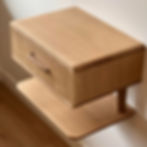
See These Details In Action
Here is a quick video breakdown showing how I integrated these details into my latest design:
If you enjoyed reading this post and want to learn more about making high end furniture, check out our woodworking plans.
If you want to connect with me about the furniture we make, or your own journey as a woodworker, shoot me an email, or message me on Instagram.
Sam